Polyurethane-Coated Steel Wheels and Floor Traction Coefficients in Stackers
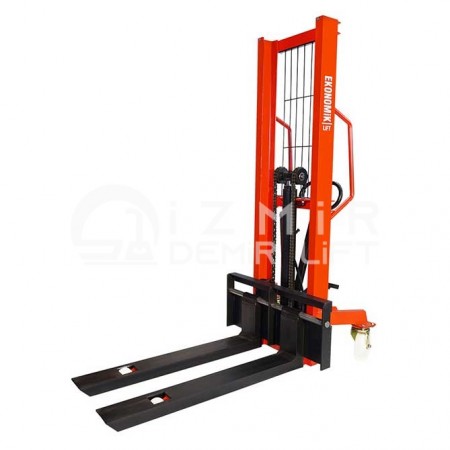
Polyurethane-Coated Steel Wheels and Driving Dynamics in Stackers
A semi-electric or fully electric stacker must not only maintain its vertical stability while lifting tons of cargo but also achieve perfect traction with the floor during horizontal travel. In electric machines, the drive wheel transmits the high torque generated by the motor directly to the ground. The material and internal structure of the wheel utilized at this stage define your operational speed and workplace safety.
At Izmir Demir Lift, we break down the engineering advantages of the steel-core polyurethane wheel technology that we integrate as a factory standard across our stacking machinery built in Manisa:
1. Why Steel-Core Polyurethane Instead of Solid Plastic?
In electric material handling equipment, both the load wheels and the primary drive wheel run under immense static and dynamic pressures.
Cast Steel Hub: The core of our wheels is manufactured from heavy-duty cast steel. This engineering choice prevents the wheel from deforming at its center or expanding the bearing seats when a 2-ton pallet is hoisted up to 4.5 meters.
Polyurethane (PU) Tread: The premium polyurethane layer chemically bonded over the steel hub avoids the harsh impacts associated with solid polyamide (nylon) wheels. Its elastic molecular structure absorbs micro-vibrations from floor imperfections, enhancing ride smoothness.
2. Traction Coefficients and Braking Dynamics
The efficiency of an electric stacker’s electromagnetic braking system relies entirely on the frictional grip between the tire tread and the floor.
Performance on Dry Industrial Floors: Polyurethane delivers an optimal friction coefficient ($μ approx 0.6 - 0.7$) on smooth concrete and cured epoxy surfaces. This high adhesion prevents wheel lockup or skidding during sudden deceleration, keeping stopping distances to a minimum.
Wet or Oily Floor Hazard: If the operating surface becomes damp, dusty, or oil-slicked, the traction coefficient drops rapidly. In these scenarios, the proportional throttle controls on our tiller arms allow operators to initiate movement smoothly without spinning the drive wheel.
3. 3 Practical Benefits of Polyurethane Wheels for Your Facility
Non-Marking Compound: Unlike traditional black rubber tires, high-grade polyurethane leaves no unsightly black skid marks or scuffs during tight pivot turns on epoxy coatings, keeping your facility clean.
Extended Bearing and Component Lifespan: By dampening operational shock loads, the polyurethane tread shields internal precision bearings and sensitive electronic control boards from vibration fatigue.
Low Rolling Resistance: Because polyurethane resists flat-spotting under load, it maintains a low rolling resistance. This keeps the workload on the drive motor low, extending battery operating cycles by up to 15% per charge.
Industrial Trend of the Day: Within 2026 "Smart Drive Assistance" frameworks, intelligent traction control networks that actively analyze wheel wear and surface slippage via drive motor feedback loops are setting new industry standards. Backed by our 2-year service warranty, Izmir Demir Lift fully covers the structural hub mountings and bearing assemblies of our premium polyurethane wheel series, ensuring safe transit across your factory floor.
