Optimizing Your Workflow in Stackers and Warehouse Operations
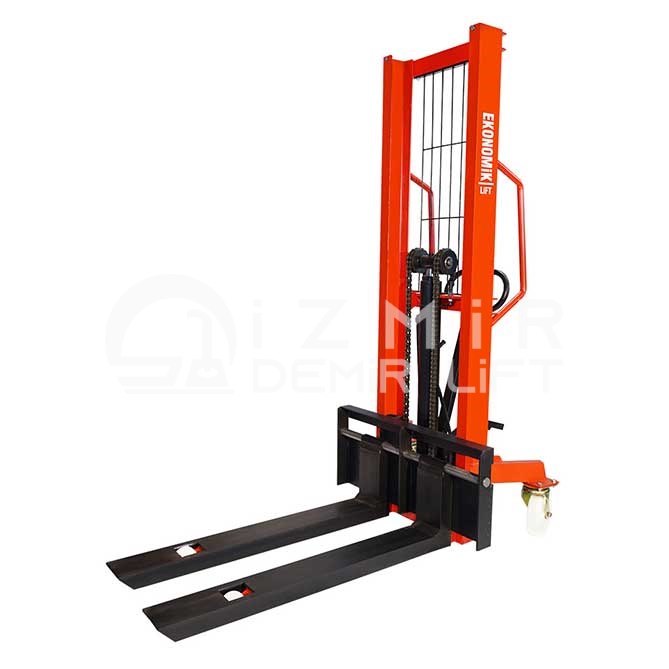
Optimizing workflow is essential for an efficient warehouse operation. Stackers offer the potential to improve workflow in warehouse operations. You can implement the following strategies to optimize your workflow:
Warehouse Layout and Layout: A good warehouse layout greatly affects your workflow. Create a layout where stackers have easy access and loads are placed in an organized manner. High-demand products should be easy to access and placed in such a way that they flow efficiently through the warehouse.
Optimizing Workstations: The layout and arrangement of workstations affects the speed of your workflow. Create different workstations within the warehouse and position them strategically. Identify the stations where incoming products are accepted, shipments are prepared and inventory is managed, and ensure that these stations work efficiently.
Standardization of Business Processes: Standardizing business processes makes your workflow organized and predictable. Establish procedures and guidelines for the use of stackers. Ensure that operators work according to the same standards and ensure consistency of processes. This reduces wasted time and improves your workflow.
Automation and Use of Technology: Automating your stacker and warehouse operations and using technology is an important step to optimize your workflow. By utilizing technologies such as automated routing systems, RFID tagging, barcode readers and data analytics, you can speed up processes, improve inventory management and increase productivity.
Operator Training and Performance Monitoring: Training and performance monitoring of operators increases the efficiency of your workflow. Provide comprehensive training to stacker operators and encourage them to continuously improve their current skills. Monitor operator performance and provide feedback to support them in making improvements.
Stackers are an important tool to optimize your workflow in warehouse operations. By implementing the strategies mentioned above, you can improve your warehouse efficiency, reduce errors and increase customer satisfaction.
