6 Ways to Prevent Stacking Accidents in the Warehouse and Logistics Industry
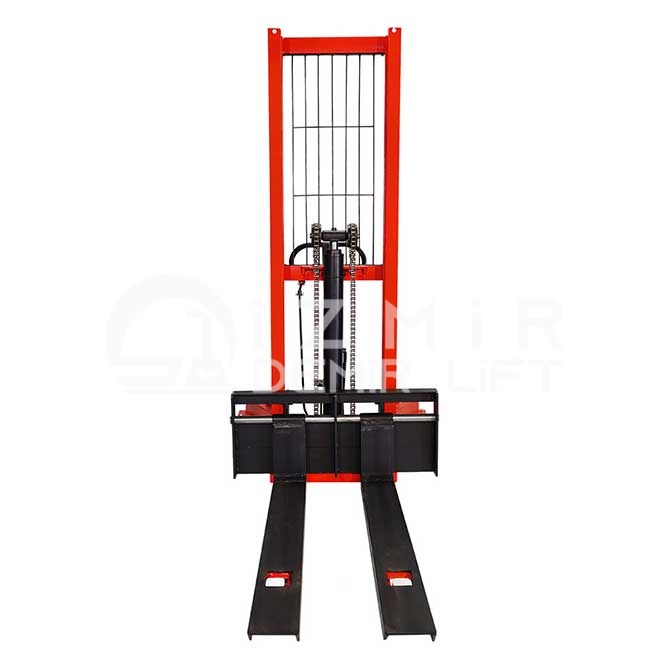
In the warehouse and logistics sectors, forklifts are the backbone of operational efficiency. However, misuse or neglect of these powerful tools can pose life-threatening risks to employees and result in significant financial losses for businesses. Therefore, taking proactive safety measures to prevent potential forklift accidents is critical. Here are six essential safety measures we, at Izmir Demir Lift, have identified to ensure a safe work environment:
1. Work with Trained and Aware Operators
The safe use of forklifts depends on the operator's knowledge and skills, as much as on the machine itself. It's essential that your staff receive comprehensive occupational safety training and are proficient in machine operation, load-lifting techniques, and emergency procedures. Knowing how to operate the machine isn't enough; they also need to understand its limitations, risky situations, and proper response methods. Regular refresher training helps maintain this awareness.
2. Don't Neglect Regular Maintenance and Periodic Checks
A poorly maintained machine is a potential source of accidents. Timely periodic maintenance of your stacking machines prevents potential malfunctions before they begin. Regularly checking critical components such as brake systems, hydraulic components, tires, and lifting mechanisms, and replacing worn parts are vital. This proactive approach prevents unexpected breakdowns and related accidents, and also extends the life of your machine.
3. Pay Maximum Attention to Loading and Balancing
Improper load placement is one of the most common causes of a stacking machine accident. The load carried should never exceed the machine's maximum carrying capacity and should be placed in a balanced manner, aligned with the center of gravity. Improperly securing the load can cause it to shift and fall during sudden stops or turns. Therefore, weight and balance checks should be performed meticulously before every loading operation.
4. Keep the Work Area Organized and Safe
The organization of the warehouse work area is the foundation of stacking safety. Pathways must be clear and clear of obstacles for operators to maneuver comfortably. Cracks, potholes, or wet surfaces on the floor increase the risk of slips and overturns. Additionally, walkways, stacking areas, and hazardous areas should be clearly marked with clear signs and signage. These simple precautions help keep operators and other employees safe.
5. Mandate the Use of Personal Protective Equipment (PPE)
Occupational safety isn't just about machinery; it's also important for employees to protect themselves. Stacker operators and all personnel working in the relevant area should always wear personal protective equipment such as hard hats, steel-toed work shoes, and reflective vests. This equipment provides protection against potential impacts or falling objects and improves visibility, especially in low-light environments.
6. Prepare a Detailed Emergency Plan
Every business should have an emergency plan that clearly outlines what to do in the event of a potential accident. This plan should be readily accessible to operators and all personnel and kept up-to-date through regular drills. Having first aid supplies, fire extinguishers, and emergency exit routes marked and easily accessible are critical steps to minimizing the impact of potential accidents.
Preventing stacking accidents is not only a legal obligation but also a vital element for your business's efficiency and reputation. Implementing the six safety measures above will create a safer, more organized, and more productive work environment.
At Izmir Demir Lift, we are always here to support you in your business processes with our reliable stacking equipment and technical support services.
